
frosted glass blocks
Understanding Flow Control Valve Types Flow control valves play a critical role in managing fluid flow in various industries, from manufacturing to aerospace. These devices regulate the flow rate of liquids or gases, ensuring that systems operate efficiently and safely. With diverse applications, it is essential to understand the different types of flow control valves, their functions, and the contexts in which they are used. Types of Flow Control Valves 1. Globe Valves Globe valves are one of the most common types of flow control valves. They are characterized by a spherical body shape that helps optimize the flow direction. The internal baffle and the disc allow for precise control of flow rates, making them suitable for throttling applications. Globe valves are often used in water supply systems and industrial processes where flow regulation is essential. 2. Ball Valves Ball valves use a spherical ball with a hole through its center to control flow. When the ball is rotated, it either allows flow through the valve or blocks it completely. Ball valves are popular because they provide a quick shut-off capability and low fluid resistance when open. They are commonly used in oil and gas industries, plumbing, and HVAC systems. 3. Gate Valves Gate valves, as their name suggests, function similarly to a gate. They consist of a flat gate that is raised or lowered to start or stop fluid flow. While gate valves are excellent for fully open or closed positions, they are not ideal for throttling applications, as they can cause wear and tear. Their best use cases are in pipelines where a complete shutoff is necessary, such as in water distribution systems. 4. Check Valves Check valves are essential for preventing backflow in piping systems. They automatically close if the flow in the reverse direction occurs, ensuring that the system operates efficiently without the risk of contamination. Check valves are commonly found in water pumps and sump pumps to prevent backflow that can compromise system integrity. 5. Butterfly Valves Butterfly valves consist of a rotating disc that regulates flow. When the disc is perpendicular to the flow, it blocks the flow; when it is parallel, it allows fluid to pass. These valves are lightweight and can be quickly operated, making them suitable for large pipes where space and weight are considerations. Common applications include HVAC systems and water treatment facilities. flow control valve types 6. Pressure Relief Valves Pressure relief valves are designed to prevent overpressure in systems. They automatically open when the pressure exceeds a predetermined level, allowing excess pressure to escape and protecting the system from damage. These valves are crucial in various applications, such as boilers and pressure vessels, ensuring operational safety. 7. Proportional Control Valves Proportional control valves allow for precise control based on varying input signals, such as pressure or temperature. They adjust flow rates in real-time, commonly used in process control, robotics, and automated systems. Their ability to maintain consistent performance across varying operating conditions makes them invaluable in advanced applications. Choosing the Right Flow Control Valve Selecting the appropriate flow control valve depends on several factors, including the type of fluid being controlled, the flow rate requirements, and the specific application environment. It is vital to consider parameters such as temperature, pressure, and material compatibility to ensure optimal performance. Additionally, understanding the installation requirements and maintenance considerations is essential. Some valves, like gate valves, require more significant space for operation, while others, like butterfly valves, are more compact. Maintenance needs can vary widely; some valves may need routine inspections and repairs, while others are designed for long-lasting performance with minimal upkeep. Conclusion Flow control valves are integral components in various fluid systems, playing a pivotal role in maintaining operational efficiency and safety. By understanding the different types of flow control valves—globe, ball, gate, check, butterfly, pressure relief, and proportional control—engineers and technicians can make informed decisions in designing and maintaining fluid systems. With the right valve in place, industries can ensure optimal performance, reliability, and safety in their operations, contributing to successful outcomes across different applications. As technology advances, the development of new valve designs and controls will continue to enhance fluid management solutions worldwide.
about
frosted glass blocks
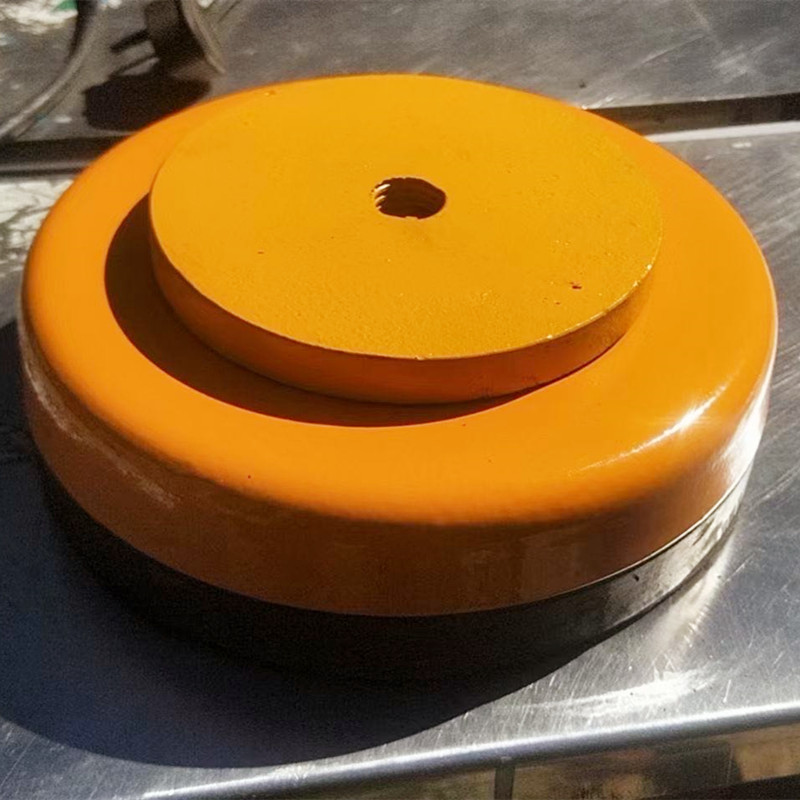
The Importance of Rubber Pads in Anti-Vibration Solutions In various industries and applications, vibration is an omnipresent issue that can lead to significant problems, including equipment wear and tear, operational inefficiencies, and even safety hazards. To mitigate these problems, many professionals turn to rubber pads specifically designed for anti-vibration purposes. These pads offer an effective solution to dampen vibrations, increase operational lifespan, and enhance overall safety. Understanding Vibration Vibration occurs when machinery or equipment operates, creating oscillations that can be transmitted through structures. These oscillations can originate from motors, compressors, generators, or any heavy machinery. The effects of these vibrations can be detrimental; they not only lead to physical damage to machines but can also cause noise pollution, discomfort for individuals, and decreased efficiency in production processes. The Role of Rubber Pads Rubber pads serve as resilient barriers between vibrating machinery and the surfaces it rests upon, effectively absorbing and dissipating the energy generated by vibrations. Their unique material properties allow them to travel through waves and convert them into minor heat, thus minimizing the noise and vibrations transmitted to floors, walls, and other structures. This quality makes rubber pads an essential component in numerous settings, such as manufacturing plants, HVAC systems, and even residential buildings. Material Composition and Design The effectiveness of rubber pads in anti-vibration applications largely depends on their material composition and design. Generally, rubber pads are made from synthetic or natural rubber, often combined with additives to enhance durability and performance. The pads come in varied shapes, sizes, and densities to cater to specific vibration frequencies and load capacities. For example, softer rubber pads are designed to dampen higher-frequency vibrations, while firmer versions are suited for lower frequencies and heavier loads. rubber pad anti vibration Benefits of Using Rubber Pads 1. Vibration Dampening By absorbing vibrations at the source, rubber pads significantly reduce the amount of energy transmitted to surrounding structures, which can prolong the life of machinery and minimize maintenance costs. 2. Noise Reduction In addition to controlling vibrations, rubber pads also contribute to noise abatement, making environments more conducive to work, sleep, and other activities. 3. Increased Safety Excessive vibrations can lead to equipment failure and safety hazards. By using rubber pads, businesses can create a safer working environment for employees and reduce the risk of accidents. 4. Cost-Effective Solution Implementing rubber pads as a part of an anti-vibration strategy can yield substantial cost savings. Their ability to prevent costly repairs and replacements makes them a valuable investment for businesses of all sizes. 5. Versatility Rubber pads can be used in various applications, from industrial machinery to home appliances, making them a universal solution for vibration control. In construction, they can be placed under heavy machinery to ensure stability and precision; in vehicles, they reduce road noise and improve comfort. Conclusion In conclusion, the use of rubber pads for anti-vibration applications is crucial in today’s fast-paced industrial landscape. They help extend the life of machinery, enhance operational efficiency, improve workplace comfort, and promote safety. As industries continue to evolve, the demand for effective vibration dampening solutions will likely grow, underscoring the importance of rubber pads in engineering and construction. By investing in high-quality rubber pads, businesses can not only defend against the detrimental effects of vibration but also foster a more productive and safer environment for all.
-

High quality industrial productsagement

High quality industrial products
View Details -

Meet the diverse needs of customers

Meet the diverse needs of customers
View Details -

Strict quality control

Strict quality control
View Details -

Top raw materials

Top raw materials
View Details -

Trusted supplier

Trusted supplier
View Details
Our application

news and information
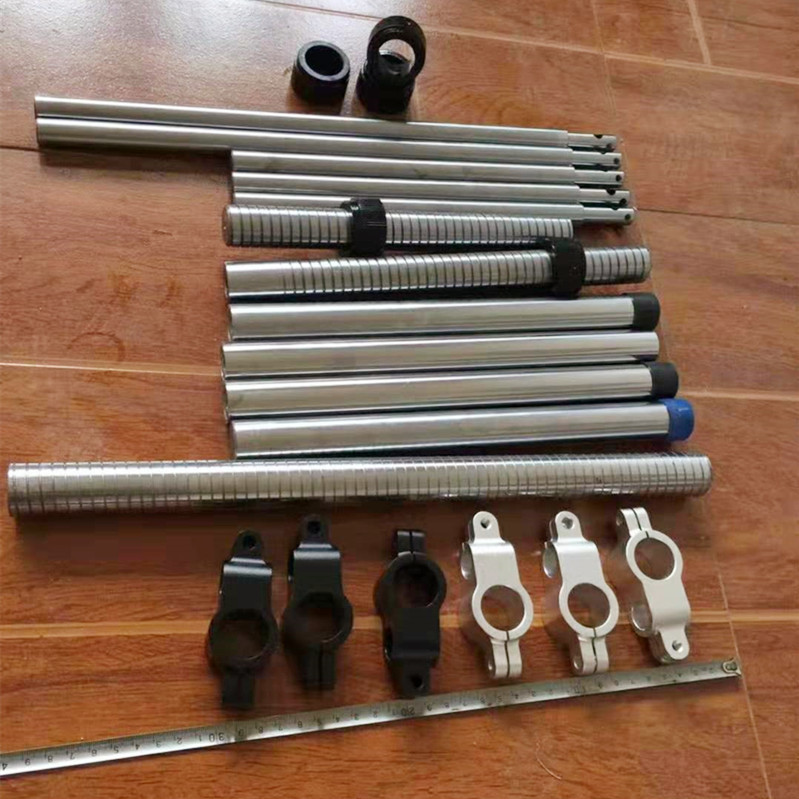
Water Cut Off Valve - Comprehensive Guide and Best Practices
Understanding Water Cut-Off Valves Their Importance and Functionality Water cut-off valves are essen

water valve main
Understanding Water Valve Main Key Components and Importance Water valves are critical components in
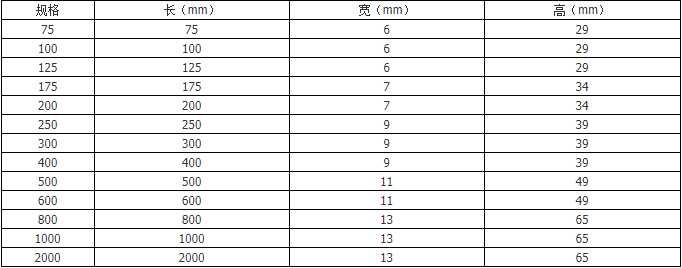
Versatile Ground Anchor Solutions for Securely Supporting Adjustable Structures and Outdoor Installa
Understanding Adjustable Post Ground Anchors A Comprehensive Guide In the field of construction and
 English